
A One-Person Show
A messy script of life.

Life is just a one-person show. I’ll play different characters for you—some being real, others well curated. I’ll hold my reins, thank you. Your words won’t ever get hold of me. A puppet that falls around your insults, making you laugh, is not a show you’ll ever see.
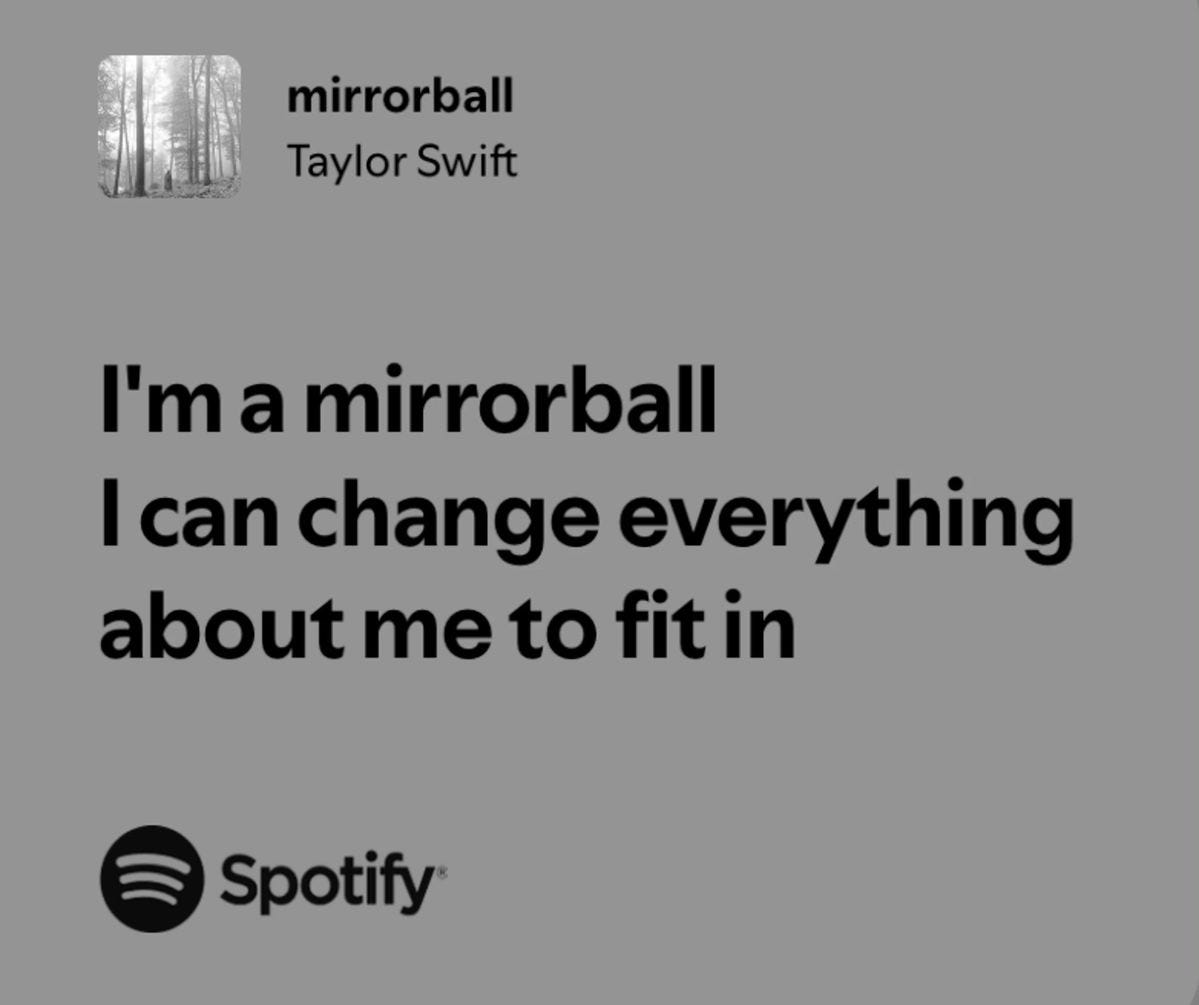
Ahh, the confidence I had once upon a time, knowing that I wouldn’t ever let anyone’s words affect me. All it took was one failure that sent me down a spiral. I keep visiting it again and again. Sometimes, the kind people around me open that door for me.
The changes that I never wanted took place. The people I never knew have entered my life. They bring out different versions of myself I never knew I had. The slightly funny and sarcastic version usually took centre stage. The one who wept alone at times took a place behind the curtains.
The one who can hold your pain for a while sat eagerly waiting for her favourite audience to enter. While the writer is just observing, without really picking up her pen. The dark blue ink and the diary with the prettiest shade of red gathered dust.
The loud, outspoken little me took her time on the stage. Rude, straightforward, honest—that’s what the audience said. She knew what to say, never needing a script, and like her favourite Jo March, her rage never went unseen.
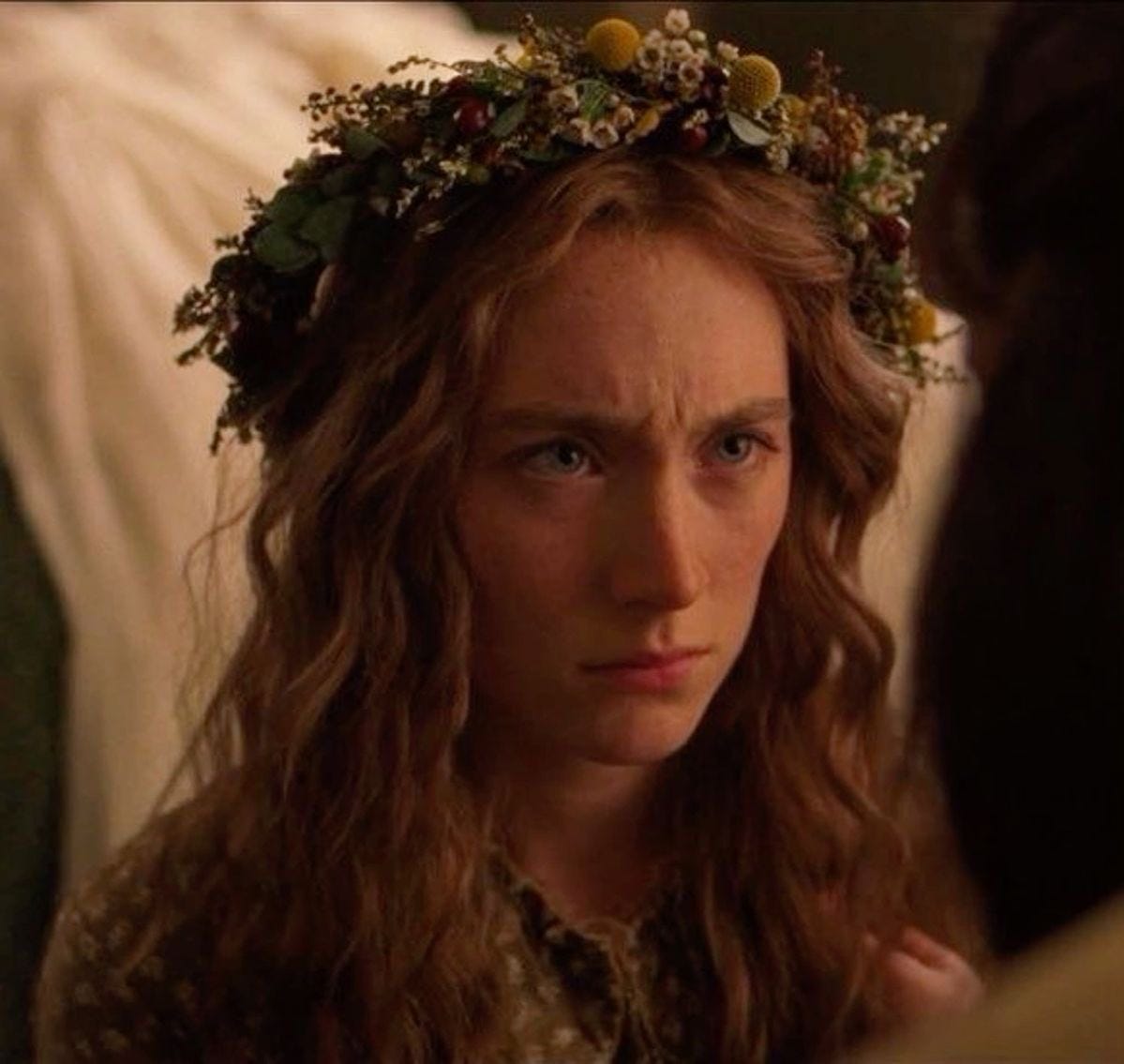
She regretted her words later, knowing well how much power they hold. Quietly, one day, she packed her bags and left the play. Sometimes, I miss her.
The next one is slightly timid. Say the things that will hurt her, apologise later—she’ll say “it’s okay.” Wondering if you truly meant what you said. Hoping you didn’t, but thinking, well, she did say the truth—I am a failure. It’s okay, she’s exhausted, she loves me still. She hated how much power their words held, making her question when she was being her truest self around her.
The one with her head held high slouches a bit now. She’s a mess of failures, scars, and wounds, quite visible, with a well-disguised smile while people pity her.
Another comes with a quiet, thoughtless mind—she pretends. I’m just listening to you. All her walls walk in; she can’t let those down easily. Like a maze, you need to figure it out, but only she will guide you to the centre stage.
Words don’t come easily to her. Love, like, and care mean a lot. Those three simple words make those walls rattle as she pulls them closer. They can just leave—she knows it. No one owes her anything.
The writer is there, observing the play.
The audience, the critics, and supporters plague the writer’s mind. Suddenly, she listens to critics more seriously, one of them being herself. Hating the other versions—the one who took that frustration and didn’t say a word back, the one who’s incapable of stating her thoughts properly now. A hesitant, messy version who keeps using the phrase,
“I do not know.”
While someone in the crowd yells, “What can you do then?”
And she crumbles like a paper that held all her words.
There’s a version that just sits in front of you, lying to herself more than she lies to you. The writer tears the pages written about her, but it’s too late. Someone read that already.
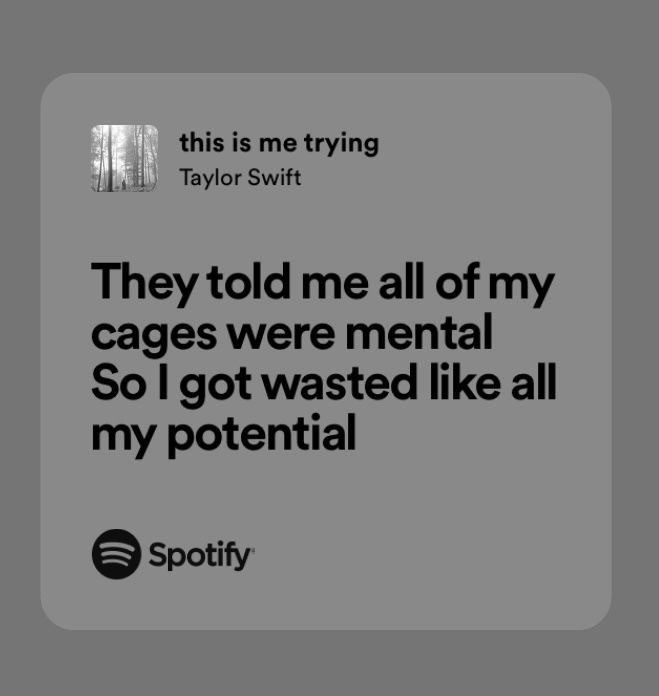
I think the writer is quite dumb. Foolish little girl with a pen. Scared of letting people in while wanting the same. But she doesn’t know what it feels like to be someone’s first choice. She felt it once, and that’s enough for her. Being a Jo in her head, living like Amy is reality.
There’s an outward love for blue but a silent ache for red.
She knows—she feels she isn’t worthy of it again. Maybe that’s why she’s scared of letting more people in, writing down new names. Childish to hope for good things. Sad moments are fine, but not when they hurt. She can see the timid version avoiding conflict. She’s aware the tears will bleed on paper, not on her cheeks. There’s the rage the younger one could’ve shown, and the writer misses her.
The writer pens down the regrets of unsaid words later, but is still relieved that there wasn’t another fight on the stage. The sigh of relief makes her pity herself.
The tears are well caged in the ink, but the one behind the curtains whispers,
“Am I making a big deal?”
Cold-hearted, the writer seems to me. The curtain falls, the audience leaves. The lamp is on, the pen filled with ink, and she scribbles her messy thoughts. And now, a part of her hates her own words.
“The pain is lesser when compared, but the tears are still true.”
“I knew that fact, yet I said I don’t know. Why?”
Do I need to mock myself?
She presses the pen harder on the pages, rethinking the play that took place today. The old pages are lying on the desk. She’s wondering why those changes took place. She’s still the one in control, right?
That’s not true, to be honest. I don’t try to be real—it takes effort to be fake. The versions that people see are really about how they make you feel. Some conversations make you feel lighter and relieved despite how heavy the topics felt. Some leave behind a tangled mess of thoughts.
That’s when I notice the changes in myself. The writer, in her bed with her pretty red diary, pens down the changes. Occasionally looking up to ease her strained neck, only to find herself staring at the mirror.
Wondering why she said that. Why does a person affect her that way? Why admit I cry easily when I never really do? Why did I just spill the truth when the well-curated reasons were at my fingertips?
“I know myself well.”
Do I, though?
It gets harder when all these versions collide in front of someone, almost feeling fake. Why does that person do that to you? Again, the question pops up:
“Am I making a big deal?”
You feel out of control, and then they use words that mean a lot to you. The play feels rushed, the walls rattle, and the pen is pressed deeper into the page. The ink all over the place. Words don’t feel enough. It’s an absolute mess, and no one can help you clear it up.
There’s the version that silently aches for red, peeking her head up. Someone else’s shadow is cast on her, making her wonder—is there something of her own that makes people want to stay?
So the writer just sits there, frustrated. Her observations end with a question these days:
“Am I a good writer, or have I lost it too?”
i love this <3 jo march for life
we write about similar topics girl, would love to sub/read more of each others' works <3